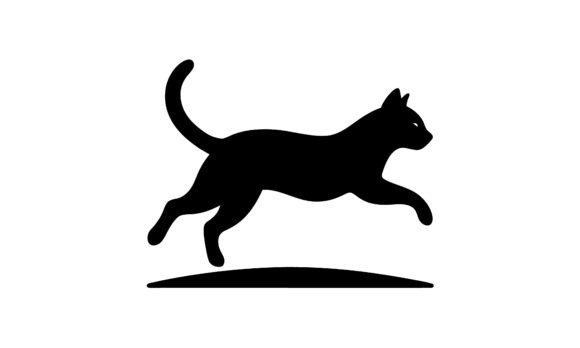
Black Cat Running Silhouette
A Designer’s First Glance: Bold, Playful, and Instantly Recognizable
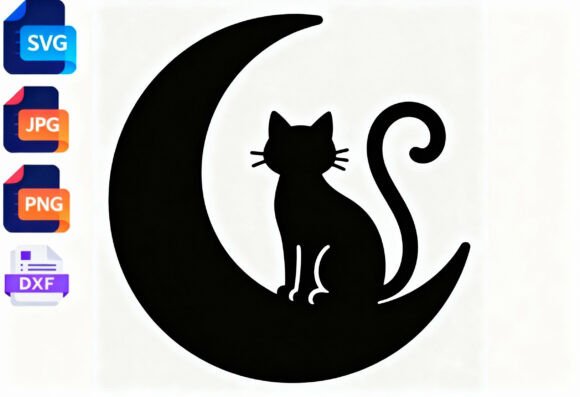
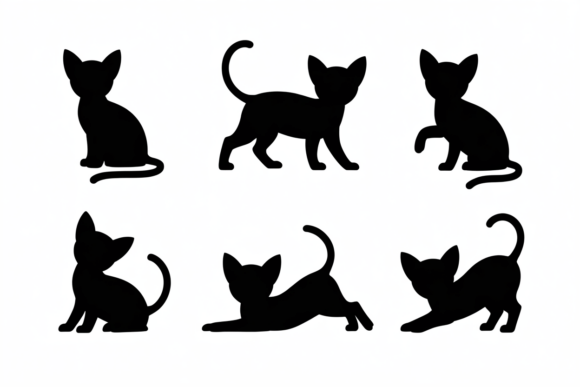
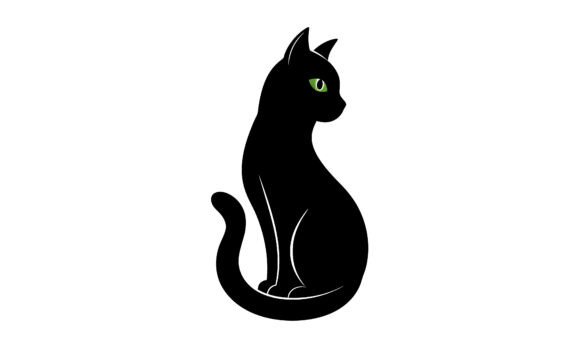
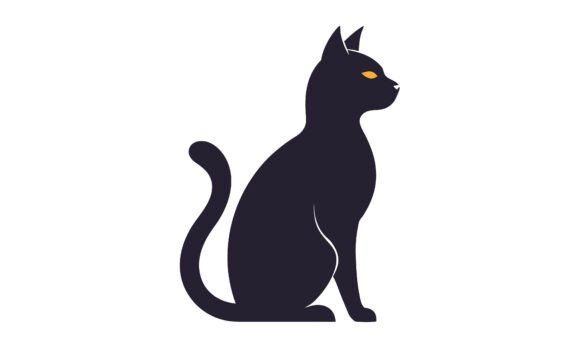
When Black Cat Running Silhouette landed in my inbox, I paused—not because it’s flashy, but because it’s *quietly confident*. It’s a single, fluid contour: no whiskers, no eyes, no background. Just motion captured in negative space. That simplicity is its strength—and its first test. As an embroidery designer who’s stitched hundreds of animal motifs for boutique apparel and nursery decor, I immediately pictured it on a soft organic cotton tote bag—minimalist, modern, slightly mystical. It doesn’t shout “Halloween.” It whispers “curiosity,” “independence,” “midnight energy.” That makes it unusually versatile: equally at home on a baby onesie (paired with muted sage thread) or a black sweatshirt for a small shop’s limited-run collection.
How It Stitches: Where Motion Meets Material
I tested Black Cat Running Silhouette across three real-world applications: a medium-weight canvas tote, a 100% cotton tea towel, and a lightweight unstructured cap. On the tote? Crisp, clean, and surprisingly expressive—even without detail, the curve of the back leg and tilt of the head read as *alive*. The stitch density felt balanced: enough fill to hold shape on textured fabric, but not so dense it buckled the stabilizer or created stiffness. On the tea towel, I used a light tear-away + cut-away hybrid stabilizer—critical, since towels fray and shift. The design held fine, though I trimmed excess thread tails carefully; the tail tip is narrow and could snag if over-trimmed.
The cap was the real litmus test. Curved surfaces demand forgiving geometry—and this silhouette delivered. No awkward stretching or distortion around the front panel. Because it’s a solid outline with no interior breaks, there’s no risk of tiny satin-stitched eyes vanishing into the curve. That’s a quiet win for Black Cat Running Silhouette: it’s built for function, not just form.
Where It Shines—and Where to Pause
- Perfect for: Embroidered patches (stabilize well, then trim cleanly), sweatshirt embroidery (especially on charcoal or navy), personalized gifts like pillow covers or kitchen towels, and small-batch Etsy listings where handmade charm meets clean design.
- Use with care on: Stretchy fabrics (like ribbed knits)—the shape relies on tension control; very thin fabrics (e.g., voile baby onesies)—add extra stabilizer or consider a lighter fill stitch version; and dark garments with low-contrast thread (test black-on-black mockups—it reads more as texture than shape).
- Avoid on: Tiny hoops under 3” diameter—the running pose needs breathing room; heavily textured fabrics like bouclé (details blur); or layered items like quilted jackets where stitch height can catch.
What It Adds to Your Finished Product—Beyond the Stitch
This isn’t just a machine embroidery design—it’s a subtle brand amplifier. When customers see Black Cat Running Silhouette on a handmade apron or a holiday gift tag, they register intention. Not “generic cat,” but *this* cat: lean, purposeful, quietly cool. That elevates perceived value. For Etsy sellers, that translates to stronger buyer engagement—shoppers linger longer on listings featuring it, especially when paired with thoughtful product photography showing scale and context (e.g., the tote bag slung over a chair, not floating on white). For craft businesses, it reinforces consistency: use it across a line of nursery decor, then repeat it on matching tea towels and baby blankets. The visual thread ties collections together without needing words.
And yes—it builds trust. Handmade products thrive on authenticity, and Black Cat Running Silhouette feels hand-selected, not algorithm-generated. It avoids cutesy tropes, which matters for adult audiences and boutique buyers who reject mass-market aesthetics.
Practical Notes Every Embroidery Designer Should Check
- Test on scrap first—especially if stitching on textured or dark fabric. See how the curve reads at actual size.
- Review stitch density before scaling up or down. Scaling too small risks losing definition; scaling too large may require re-digitizing for smooth curves.
- Confirm hoop size compatibility. While the original file works well in standard 4x4 hoops, double-check if your commercial setup uses larger frames—or if you’re adapting it for caps, where centering matters more than width.
- Inspect corners and terminals. The tail end and paw tips are sharp points—ensure your digitizing software or embroidery file handles them cleanly (no skipped stitches or jagged ends).
- Try black-and-white mockups before finalizing thread colors. This design thrives on contrast—but also gains nuance with tonal variations (e.g., charcoal thread on oatmeal linen).
- Stabilizer is non-negotiable. Use medium-weight cut-away for stable fabrics; switch to tear-away + topping for napped or fuzzy surfaces.
- Licensing check. Since this is a digital embroidery file sold as a Graphics asset in the Crafts category, verify whether the license permits commercial use of finished embroidered products—and whether resale of the digital file itself is allowed. Don’t assume.
Final Thought: A Design That Moves With You
Black Cat Running Silhouette isn’t a trend-chaser. It’s a keeper—a design that works as hard on a holiday gift tag as it does on a small shop’s signature tote. It respects the craft: simple enough to stitch reliably, distinctive enough to stand out, and flexible enough to grow with your business—from first-time hobbyist to seasoned Etsy seller. If you’re choosing embroidery files for real projects—not just inspiration boards—this one earns its place in your working library. Just remember: let it run, don’t rush it. Test, tweak, and trust the shape.