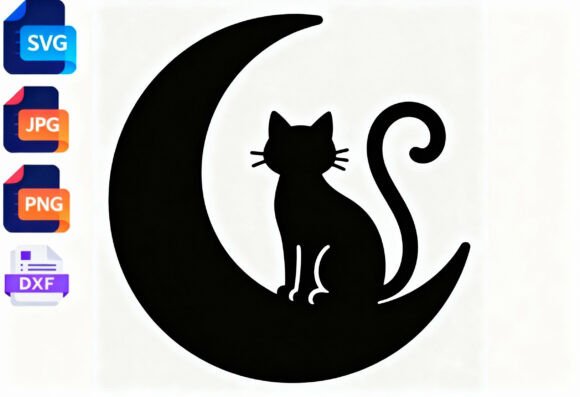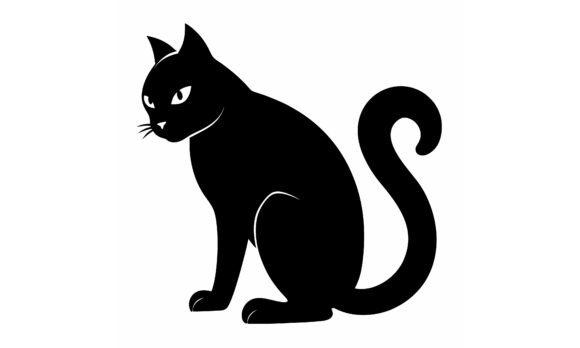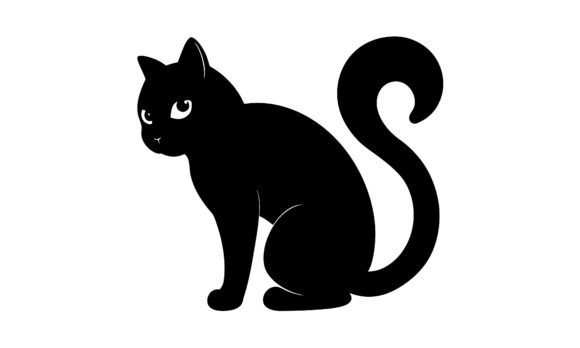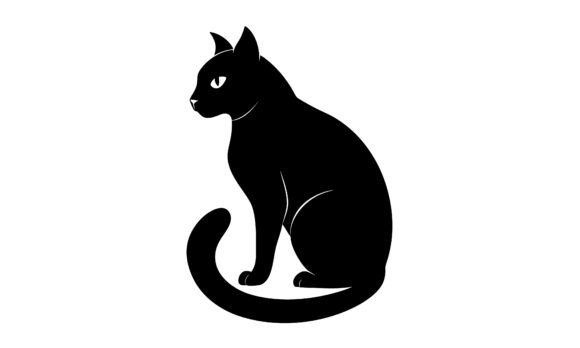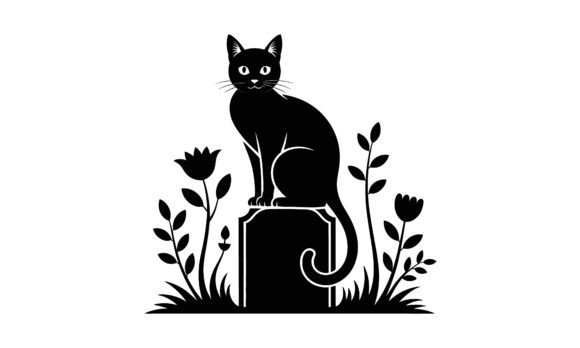
Black Cat Sitting on Gravestone
As a designer who’s stitched over 300 custom embroidery projects—from boutique baby onesies to Etsy best-selling tote bags—I opened Black Cat Sitting on Gravestone expecting gothic charm. What I found was something sharper: a clean, confident silhouette with quiet storytelling power. It doesn’t scream “spooky”—it leans into subtle wit and vintage illustration warmth. That matters. Because when you’re choosing a machine embroidery design for real-world use—especially one destined for sweatshirts, tea towels, or personalized gifts—the first impression isn’t just aesthetic. It’s about how well the mood translates through thread, fabric, and wear.
A Design That Knows Its Place (and Its Audience)
I tested Black Cat Sitting on Gravestone as the centerpiece for a limited-run embroidered apron series—think small-batch kitchen goods for indie bakeries and gift shops. The shape is compact but not cramped: the cat’s tail curls just enough to anchor the composition, and the gravestone’s proportions leave breathing room around key curves. That spacing is critical. On an apron’s curved waistband or a toddler’s onesie chest, tight corners or overlapping elements would distort under tension. Here, nothing fights the fabric. It reads clearly at 3.5" wide—a sweet spot for tote bag designs, pillow covers, and even cap front embroidery when resized thoughtfully.
The visual personality lands somewhere between nostalgic Halloween and modern cottagecore. Not too cute, not too macabre. That duality makes it unusually versatile: it works on a baby embroidery project (paired with soft grey thread on oatmeal linen) and equally well on a men’s black sweatshirt (with matte black thread and a satin stitch finish). As an Etsy seller, I’ve watched similar motifs trend across seasons—not just October, but spring garden parties, pet memorial keepsakes, and even wedding favors for cat-loving couples. This isn’t a one-note graphic. It’s a design asset with quiet longevity.
Where It Stitches Clean—and Where It Needs Care
Black Cat Sitting on Gravestone performs reliably on stable, medium-weight fabrics: cotton twill for patches, brushed poly-cotton for sweatshirt embroidery, and tightly woven linen for tea towels. On those, the fill stitch holds crisp edges, and the outline reads cleanly without needing excessive underlay. But—and this is where experience kicks in—it needs thoughtful handling on textured or stretchy surfaces. I tried it on a looped terry kitchen towel: the gravestone base blurred slightly where the pile disrupted stitch laydown. Same with lightweight jersey—without proper cutaway stabilizer and reduced stitch density, the cat’s ear lost definition.
Small hoop sizes (under 4") are doable, but avoid pushing below 3". The negative space inside the gravestone’s arch and the cat’s eye detail shrink fast. If you’re planning a baby embroidery project or a delicate embroidered patch for a child’s backpack, test those areas on scrap first. And skip dense decorative accents—like adding French knots for eyes or extra fill behind the cat’s fur—unless you’re comfortable editing the embroidery file. This is a clean-line design. Its strength is clarity, not complexity.
What It Does for Your Craft Business
For small shop owners and creative entrepreneurs, Black Cat Sitting on Gravestone delivers more than visual appeal—it builds trust. Customers recognize intentional design. When a finished product looks professionally digitized—not pixelated, not overly dense, not fighting the fabric—it signals care. That perception lifts perceived value, especially for personalized gifts and handmade products sold at craft fairs or via Instagram shops.
I used it in a printable mockup for an Etsy listing of embroidered nursery pillows. The grayscale preview showed strong contrast against both light and dark fabric backgrounds—no surprise, given its bold silhouette. That versatility means fewer mockup variants needed, faster listing updates, and better conversion. As a digital embroidery file, it also plays well with branding: pair it with a minimalist font for a boutique’s holiday collection, or reverse it in white thread on navy denim for a unisex tote bag design that feels curated, not cliché.
Practical Notes from the Hoop
- Always test on scrap fabric first—especially if stitching on dark fabric or layered garments like hoodies.
- Check thread color contrast carefully: matte black on charcoal can disappear; ecru on cream reads softly but elegantly.
- Review stitch density before running full production—this design doesn’t need heavy fills, so reduce density slightly for breathable fabrics like baby onesies.
- Confirm hoop size compatibility with your machine and intended product: curved surfaces (caps, mugs with wraps) may require repositioning or minor scaling.
- Inspect small details in both black-and-white and color mockups—some embroidery software renders thin lines differently than your machine will stitch them.
- Use appropriate stabilizer: tear-away for stable wovens, cutaway for knits or high-wear items like aprons and tote bags.
- Verify licensing terms before selling finished items or bundling the digital embroidery file—this is a graphics asset, not automatically cleared for commercial redistribution.
At its core, Black Cat Sitting on Gravestone isn’t just another Halloween clipart knockoff. It’s a considered piece of design language—compact, expressive, and built for real embroidery work. Whether you’re a seasoned apparel decorator or a hobbyist launching your first Etsy shop, it’s the kind of embroidery file that earns repeat use. Not because it’s flashy, but because it stitches true, sells well, and stays quietly memorable long after the season ends.