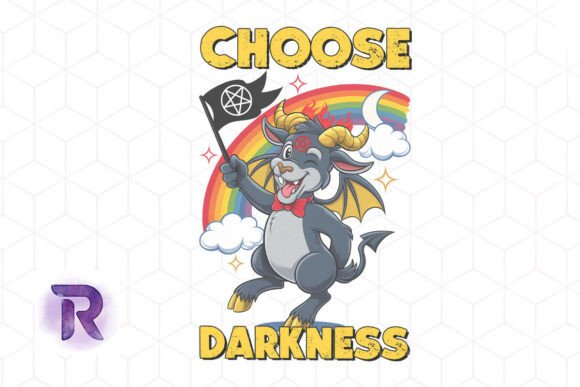
Choose Darkness Cute Demon Cat Design
A Designer’s First Look: Playful, Not Precious
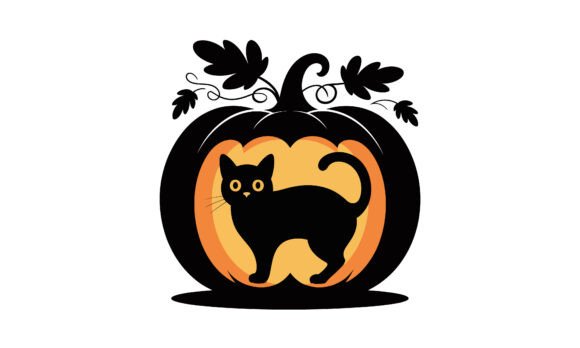
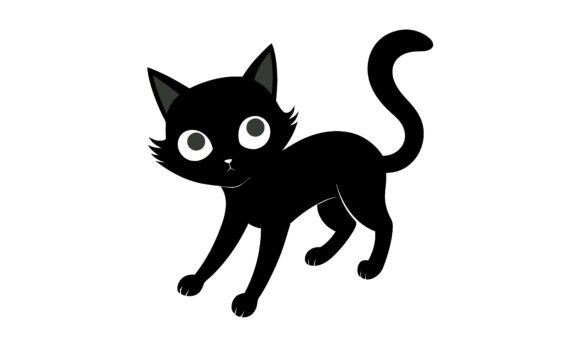
When I opened Choose Darkness Cute Demon Cat Design, I didn’t see “cute” and “demon” as opposites—I saw balance. The silhouette is compact and centered, with soft curves on the ears and tail contrasting just enough sharpness in the little horns and tiny fangs. It’s not overly detailed, but it’s not minimalist either—there’s intentional weight in the outlines and subtle texture in the fill areas. As a machine embroidery design, it feels built for clarity at 3–4 inches wide, not for tiny applique or micro-patches. It lands somewhere between whimsical nursery decor and cheeky adult apparel—think embroidered tote bags for indie bookshops or sweatshirt fronts for small-batch loungewear brands.
How It Stitches in Real Life (Not Just on Screen)
I tested Choose Darkness Cute Demon Cat Design on three real-world items: a medium-weight cotton twill tote bag, a fleece-lined unisex sweatshirt, and a linen tea towel. On the tote, it stitched cleanly with standard cutaway stabilizer—no puckering, no thread breaks. The satin stitch edges held crisp definition, and the fill stitch density felt generous without being heavy. On the sweatshirt, I added tear-away + light cutaway underneath, and it held up beautifully—even over the seam near the shoulder. The tea towel was trickier: linen’s open weave meant I needed tighter hoop tension and a lighter stabilizer layer to avoid shadowing, but the design still read clearly from six feet away.
This isn’t a design that shines on ultra-thin baby onesies or stretchy jersey tees without serious prep. The outlines are friendly, but the small horn tips and inner ear details could blur or distort on highly textured or unstable fabrics. If you’re planning Choose Darkness Cute Demon Cat Design for caps or curved surfaces, test it first on a scrap cap blank—the shape holds, but the top curve of the head may need slight digitizing tweaks depending on your hoop setup.
Where It Fits Best (and Where It Doesn’t)
- Great for: Embroidered patches (heat-seal or sew-on), tote bag designs, sweatshirt embroidery, kitchen towels, pillow covers, boutique nursery decor, holiday embroidery (think Halloween-adjacent, not spooky), and personalized gifts for teens or young adults.
- Use carefully on: Dark fabric without high-contrast thread (test black-on-navy or charcoal-on-black mockups), thin or sheer fabrics (it needs structure to hold shape), and layered garments like hoodies with thick drawcords near the chest area.
- Avoid for: Baby embroidery under 6 months (small parts like horns aren’t ideal for chew-prone items), dense commercial runs on low-end polyester blends (stitch density may cause stiffness), and digital-only use cases where fine linework matters more than bold presence.
What It Does for Your Craft Business
As an Etsy seller and small shop product developer, I pay attention to how a design affects perceived value—and Choose Darkness Cute Demon Cat Design punches above its size. It reads handmade, not mass-produced. Customers notice that. When used on a custom embroidered apron for a local café, it gave the item personality without overwhelming the utility. When paired with neutral thread on a cream linen pillow cover, it became a quiet statement—not loud, but memorable. That kind of subtlety builds brand consistency across craft business offerings.
It also works well in printable mockups. Because the composition is balanced and self-contained, it scales cleanly across social media previews, product tags, and digital embroidery file listings. No awkward cropping. No lost detail at thumbnail size. That’s rare in Graphics meant for Crafts—and worth noting if you sell digital embroidery files yourself.
Practical Notes Every Embroidery Designer Should Check
- Test on scrap fabric first—especially if using textured, dark, or stretchy materials.
- Review stitch density: This design leans toward medium-fill, but verify whether your machine handles tight satin borders smoothly on your chosen fabric.
- Confirm hoop size compatibility: It’s likely optimized for 4x4 or 5x7 hoops—but check the file specs before batching production.
- Inspect small details: Horns, eyes, and paw pads should stay legible at your target size. Zoom in on the embroidery file preview.
- Try black-and-white mockups: See how it reads without color—this reveals contrast issues before stitching.
- Compare light vs. dark backgrounds: A white thread version on navy fabric may need a slight outline tweak for visibility.
- Use proper stabilizer: Cutaway for knits and structured items; tear-away for stable wovens like tea towels or canvas.
- Check licensing: Since this is marketed as a versatile digital file, confirm whether commercial use (e.g., selling finished embroidered patches) is permitted—don’t assume.
Final Thought: Charm With Intention
Choose Darkness Cute Demon Cat Design doesn’t try to be everything. It’s not hyper-detailed, not minimalist, not edgy-for-the-sake-of-it. It’s confident in its middle ground—and that makes it unusually flexible. For a small shop owner choosing embroidery project assets, it’s a low-risk, high-character pick. For an Etsy seller building a themed collection (think “whimsical goth,” “cozy macabre,” or “playful witchy”), it anchors a line without demanding perfection from your stitching setup. And for a hobbyist making personalized gifts? It delivers joy without frustration—clean lines, forgiving proportions, and a wink that lands every time.
Just remember: even the cutest demon cat deserves a test stitch first.