Cute Halloween Black Cat Pumpkin Bat
First Impressions: Playful, Balanced, and Instantly Recognizable
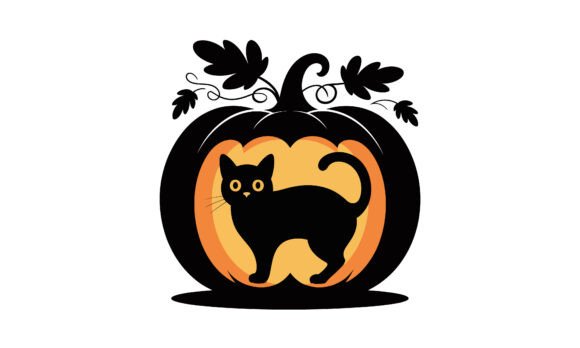
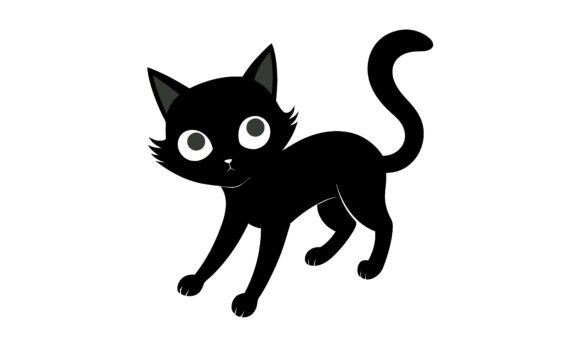
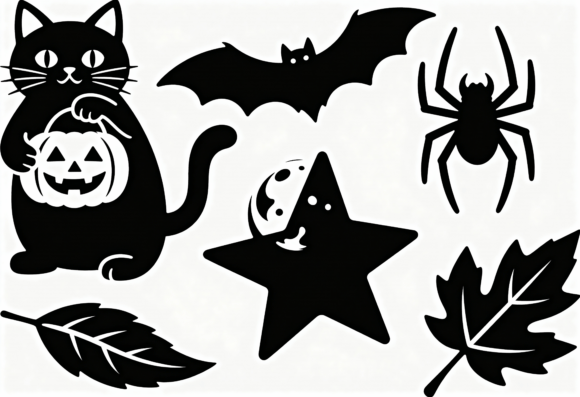
When I opened Cute Halloween Black Cat Pumpkin Bat, my eye landed on the clever fusion—not a cluttered mashup, but a harmonious trio. The black cat’s arched back doubles as the pumpkin’s stem; its tail curls into a bat wing; the pumpkin’s grin nestles just above the cat’s chin. It’s smart visual shorthand. No forced elements, no overworked details—just confident, friendly Halloween energy. For embroidery designers, that means clarity under needle: clean outlines, intentional negative space, and shapes that won’t collapse at 3" wide. It feels like a design made *for stitching*, not just screen display.
A Real Project Test: Embroidering a Linen Tote for a Local Boutique
Last week, I prepped this design for a custom linen tote bag—part of a small-batch holiday collection for a neighborhood gift shop. Linen’s slubby texture can swallow fine details, so I sized Cute Halloween Black Cat Pumpkin Bat to 4.2" wide and ran a quick test on scrap fabric with medium-weight cutaway stabilizer. The result? Crisp satin-stitched outlines held beautifully, the pumpkin’s ribbing read clearly in fill stitch, and the cat’s eyes—small but defined—stitched cleanly without thread nesting. Customers loved the whimsy, but more importantly, they *trusted* it looked handmade, not mass-printed. That subtle distinction matters when you’re pricing a $48 tote.
Where It Shines (and Where to Pause)
- Custom apparel: Works exceptionally well on crewneck sweatshirts and relaxed-fit tees—especially with tonal thread (charcoal gray on heather black) to soften contrast while keeping shape legible.
- Baby embroidery: Gentle enough for onesies and burp cloths. Avoid ultra-fine satin stitches on delicate cotton interlock—opt for slightly open fill stitch instead.
- Embroidered patch: Ideal base for a sew-on or iron-on patch. Its balanced proportions prevent distortion when cut and fused.
- Tote bag design & tea towels: Holds up beautifully on medium-weave canvas and flour-sack cotton. The design’s central focus avoids awkward edge placement.
- Holiday gifts & boutique branding: Feels cohesive in a set—pair it with simple “Boo” or “Trick or Treat” lettering for instant seasonal consistency.
Use With Intention—Not Assumption
This isn’t a one-size-fits-all machine embroidery design. On stretchy knits (like lightweight jersey), stabilize aggressively—floating tear-away alone won’t cut it. On dark fabric, test thread colors thoroughly: white or bright orange pop, but pale yellow vanishes. Curved surfaces like caps require careful digitizing adjustments—Cute Halloween Black Cat Pumpkin Bat wasn’t built for that curve out of the box, so reposition or simplify minor elements before hooping. And avoid cramming it onto tiny hoops (under 3"): the bat wingtip and cat’s ear lose definition, turning from charming to fuzzy.
Design Integrity Meets Commercial Reality
As an Etsy seller and small shop product developer, I judge designs by how they affect perceived value—not just stitch count. Cute Halloween Black Cat Pumpkin Bat elevates a basic item because it reads as intentional, not generic. A customer sees it on a pillow cover and thinks, “This was chosen, not slapped on.” That builds trust. It also scales gracefully: use it large on a blanket, reduced for a baby bib, or simplified into an applique design for a toddler’s backpack. Its versatility supports multiple SKUs without diluting brand voice.
That said—don’t assume licensing covers resale. The product description notes it’s a Silhouette cut file in SVG and EPS formats, ideal for DIY crafts. If you plan to sell finished embroidered products commercially—or resell the digital embroidery file itself—verify usage rights first. Many crafters overlook this until a takedown notice arrives. When in doubt, contact the creator directly. Clarity here protects your craft business long term.
Practical Embroidery Designer Notes (From My Hoop to Yours)
- Always run a test stitch on scrap fabric matching your final project’s weight and weave.
- Check stitch density: dense fill areas (like the pumpkin body) may need lighter density or alternate fill patterns on textured fabrics.
- Confirm hoop size compatibility—this design fits comfortably in a 5x7 hoop, but verify your machine’s limits if scaling beyond 4.5".
- Inspect small details in your embroidery software: the cat’s whiskers and bat’s wing veins are subtle—ensure they’re digitized as running stitch or light satin, not lost-in-fill.
- Test black-and-white mockups. Does the silhouette hold up without color cues? Yes—it does. That’s a hallmark of strong embroidery file design.
- Compare light vs. dark backgrounds digitally *before* stitching. What reads boldly on cream linen may disappear on navy denim.
- Match stabilizer to fabric: cutaway for knits, tear-away for stable wovens, fusible for lightweight linens.
- Ask yourself: does this support both personal projects *and* commercial embroidery goals? For Cute Halloween Black Cat Pumpkin Bat, the answer is yes—provided you honor its scale and context.
Final Thought: A Design That Earns Its Place
This isn’t just another Halloween graphic. Cute Halloween Black Cat Pumpkin Bat works because it respects the craft—not just as decoration, but as functional, tactile, and emotionally resonant design. It fits naturally into handmade product lines, adds warmth to personalized gifts, and gives small shop owners a cohesive, ownable seasonal asset. Whether you're stitching a single apron for a friend or building a 20-piece holiday collection for your Etsy shop, it delivers clarity, charm, and quiet professionalism. In a market flooded with rushed digital embroidery files, that kind of intention stands out—and sells.