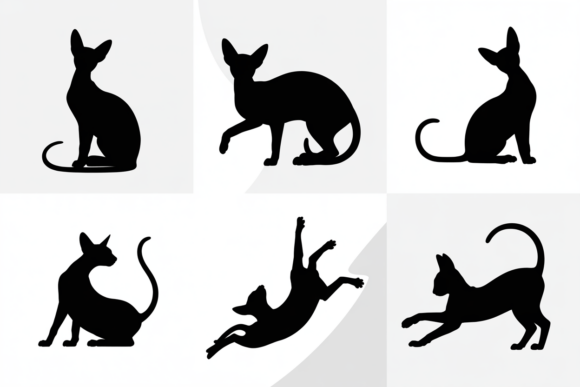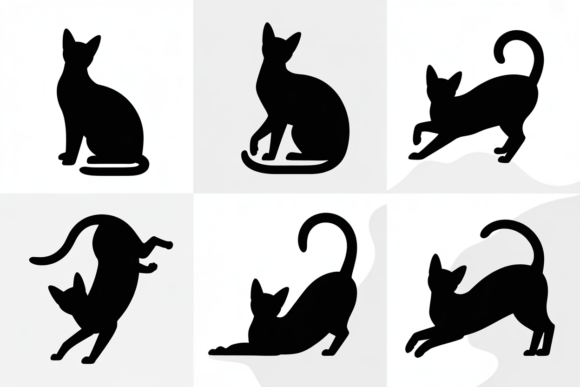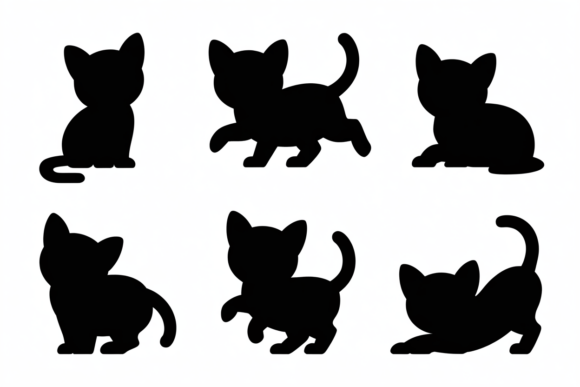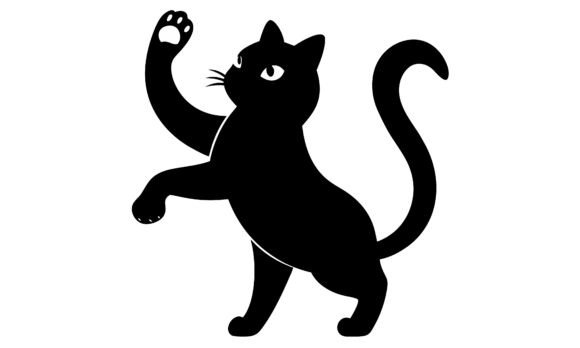
Playful Black Cat Silhouettes Set
A Designer’s First Stitch: What This Set Feels Like in Real Hands
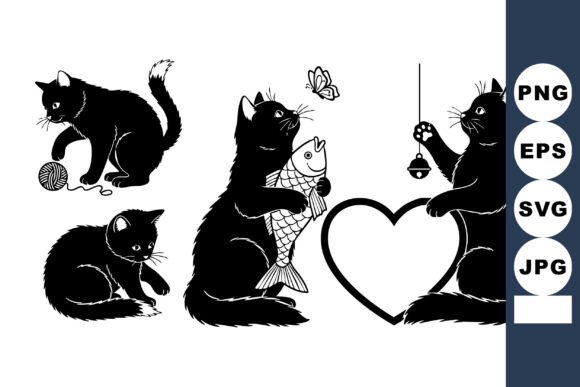
When I opened the Playful Black Cat Silhouettes Set, my first thought wasn’t “cute” — it was “usable.” As someone who’s stitched hundreds of custom orders for Etsy sellers, boutique baby lines, and local craft fairs, I scan designs for clarity, confidence, and quiet intention. These four silhouettes — a cat batting yarn, one curled around a fish, another nestled in a heart frame, and a fourth mid-leap beneath a butterfly and hanging bell — land with lightness and charm, not clutter. The clean cartoon vector art avoids over-detailing, which is exactly what you want in a machine embroidery design meant to translate across fabrics, scales, and customer expectations.
Where It Shines: Real Projects That Just *Work*
I tested the Playful Black Cat Silhouettes Set on a natural linen tea towel, a medium-weight cotton sweatshirt, and a soft organic baby onesie — all common ground for craft business owners and handmade product makers. On the towel, the heart-frame silhouette held crisp edges with minimal fill stitch density; no puckering, no thread nesting. On the sweatshirt, the yarn-batting cat read clearly at 3.5 inches wide — its curved limbs and looping yarn tail stayed legible without needing heavy satin stitch reinforcement. And on the onesie? The butterfly-and-bell pose gave just enough whimsy for a nursery gift without feeling too busy for delicate baby embroidery.
This set fits naturally into categories where personality matters but precision can’t falter: embroidered patches for pet boutiques, tote bag designs for indie bookshops, holiday embroidery on kitchen towels, or personalized gifts for cat lovers who actually *know* cats — not just the clichés. It’s also strong as digital embroidery file assets for printable mockups. When layered into an Etsy listing preview (say, on a cream cap or oatmeal apron), it reads as intentional, friendly, and quietly professional — not generic clipart.
Where to Pause — Not Problems, Just Practical Checks
No design is universal, and the Playful Black Cat Silhouettes Set asks for thoughtful placement, especially on challenging surfaces. On curved caps or structured hats, I’d avoid the fish-curling silhouette unless hooping is precise and stabilizer is layered (cutaway + tear-away combo works best). Its tight looped tail risks slight distortion if stretched across a seam or crown curve. Similarly, on thin or stretchy fabric like lightweight jersey tees, the hanging bell detail — charming in vector form — needs a running stitch outline or reduced fill density to stay defined after washing.
Dark fabric demands attention too. Since these are black silhouettes, contrast relies entirely on thread color and background. I ran a quick black-on-charcoal test: without a white underlay or careful stabilizer choice, the shape softened slightly. For commercial embroidery projects targeting high-end gifting, I’d recommend testing that bell detail in white thread on navy twill — it pops, and feels luxe. Also, avoid scaling any silhouette below 2 inches wide. The butterfly wing and bell clapper lose definition fast in tiny hoop sizes, and customers notice that loss of charm.
Why Customers Trust What They See (and Feel)
Handmade product buyers don’t just buy cats — they buy mood, care, and consistency. The Playful Black Cat Silhouettes Set supports that trust because it doesn’t shout. It invites. A customer ordering a custom embroidered pillow cover with the heart-frame cat isn’t just getting decor — they’re getting warmth, quiet humor, and visual cohesion with their existing home aesthetic. That translates directly to repeat sales, better Etsy reviews (“so well-stitched!”), and stronger brand consistency for small shop owners building a recognizable look.
I’ve seen too many craft businesses undermine their value with overworked or pixelated graphics. This set avoids that. Its simplicity means stitching stays clean, thread colors stay versatile (black, charcoal, deep navy, even heather gray all work), and the finished product feels intentional — not like a last-minute digital add-on. That perception lifts perceived value, especially for personalized gifts and boutique branding.
What Every Embroidery Designer Should Do Before Stitching
- Test on scrap fabric first — especially if using textured weaves or blends. Linen, terry cloth, and fleece behave very differently with the same fill stitch.
- Check thread color contrast on both light and dark backgrounds. A single black thread looks rich on ivory but can disappear on charcoal without underlay.
- Review stitch density — dense fills may overwhelm baby embroidery or lightweight apparel. Adjust if needed for breathability and drape.
- Confirm hoop size compatibility — none of the silhouettes push extreme width, but the fish-curling pose stretches longest. Measure before digitizing for small hoops.
- Inspect small details — the bell clapper and butterfly wingtips are subtle. Zoom in on your embroidery software to verify stitch paths hold cleanly at your target size.
- Test in black-and-white mockups — this reveals clarity issues faster than color previews ever will.
- Use proper stabilizer — medium-weight cutaway for stable fabrics, lightweight tear-away for knits, and always match stabilizer weight to your thread count and fabric drape.
- Confirm licensing terms — since this is a Graphics asset intended for Crafts use, verify whether commercial embroidery rights are included before selling finished products or bundling into digital embroidery file packs.
Final Thought: A Set That Serves the Maker, Not Just the Design
The Playful Black Cat Silhouettes Set doesn’t try to be everything. It’s focused, flexible, and built for real-world making — not just screen appeal. Whether you’re an Etsy seller prepping holiday embroidery bundles, a small shop owner branding pet-themed aprons, or a hobbyist stitching personalized baby gifts, it gives you room to execute cleanly and connect authentically. It’s the kind of design that makes customers pause, smile, and say, “I *get* this.” And in handmade product markets, that quiet resonance is worth more than any trend.