Black Cat Logo Design Minimalist
A Designer’s First Look: Clean, Quiet, and Full of Character
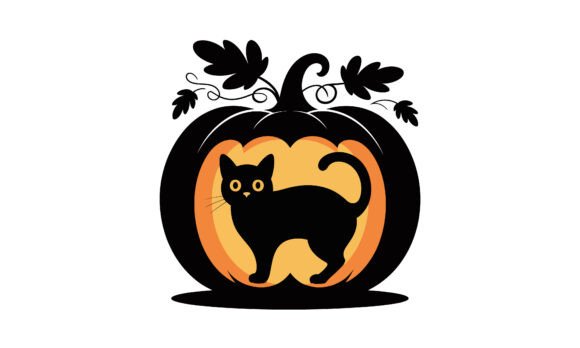
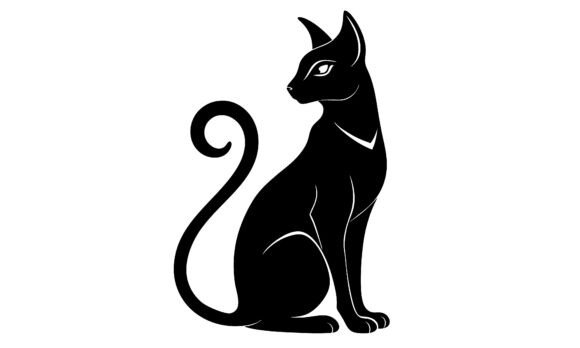
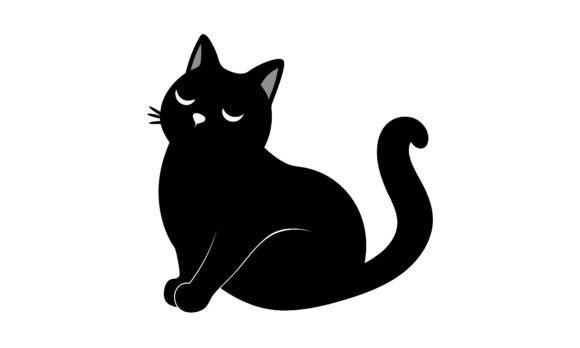
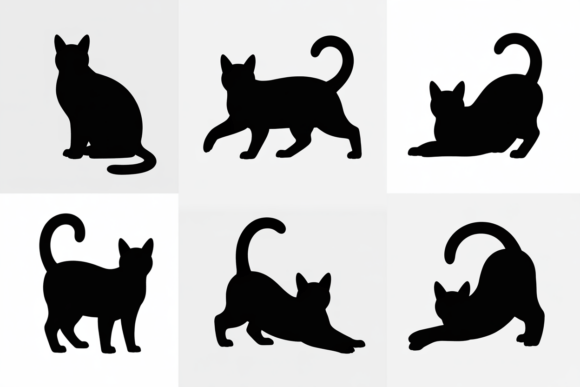
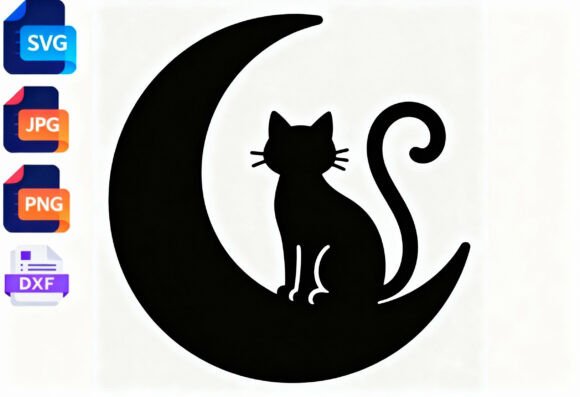
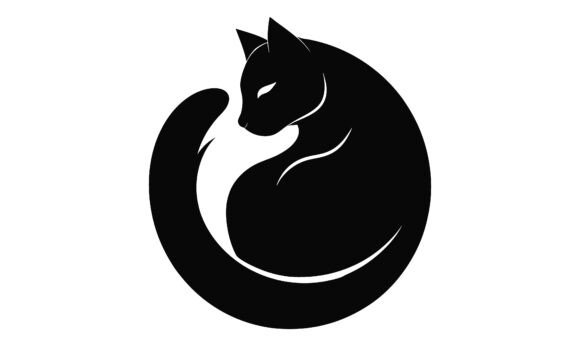
When I opened Black Cat Logo Design Minimalist, my first thought wasn’t “cute” or “trendy”—it was “confidently restrained.” The silhouette is sharp but soft-edged, with just enough curve in the tail and ear to suggest movement without clutter. There’s no facial detail, no whiskers, no outline variation—just one continuous, balanced shape. That’s intentional minimalism, not oversimplification. As a designer who’s stitched hundreds of logos onto tote bags, baby onesies, and boutique aprons, I immediately pictured it centered on a natural linen tea towel or embroidered in matte black thread on an oatmeal sweatshirt. It doesn’t shout. It settles in—and that’s exactly why it works.
Where This Design Lives Best (and Why)
I recently prepped Black Cat Logo Design Minimalist for a small-batch run of embroidered cotton canvas tote bags for a local bookstore’s holiday pop-up. No text, no extras—just the cat, sized at 3.2 inches wide, stitched in a smooth satin stitch with medium-density fill. The result? Crisp, legible, and quietly memorable. Customers paused—not because it was flashy, but because it felt *intentional*. That’s the sweet spot: Black Cat Logo Design Minimalist thrives where subtlety signals care. Think:
- Embroidered patches for denim jackets or backpacks—its clean lines hold up beautifully after repeated wear and washing
- Baby embroidery on organic cotton onesies or burp cloths—no tiny details to snag or unravel
- Sweatshirt embroidery for small shop merchandise—stitches lie flat, no puffiness or distortion
- Nursery decor like pillow covers or framed hoop art—its simplicity reads well at arm’s length and from across a room
- Holiday gifts like kitchen towels or aprons—timeless enough to feel personal, not seasonal
It’s also a strong candidate for printable mockups and digital product previews. Since it’s delivered as an SVG and EPS file, it scales cleanly for Etsy listings or social media visuals—no pixelation, no jagged edges.
Real Embroidery Considerations: What You’ll Actually See on Fabric
Minimalism helps—but doesn’t eliminate—embroidery realities. Here’s what I watched for when digitizing and stitching Black Cat Logo Design Minimalist:
- Hoop size & density: At under 4 inches wide, it fits comfortably in a 4x4 hoop. But don’t assume low stitch count equals low density—test it. On thick terry cloth or textured canvas, overly tight satin stitches can pucker. A light tear-away stabilizer kept everything smooth.
- Fabric texture matters more than you’d think: On slubbed linen or looped terry, the cat’s curves softened slightly—still recognizable, but less precise. For high-clarity needs (like boutique branding), stick to tightly woven cotton or midweight twill.
- Dark vs. light fabric isn’t just about contrast—it’s about perception. On charcoal sweatshirts, I used charcoal-gray thread. It didn’t “pop,” but it looked elevated, custom, and cohesive. On white baby onesies? Black thread gave warmth and weight. Always test thread colors on scrap fabric first.
- Caps and curved surfaces need caution. That smooth outer curve looks elegant on flat fabric—but on a curved cap front, slight stretching can distort the tail’s taper. If using for headwear, consider a slightly wider base or consult your digitizer about underlay adjustments.
What This Design Says About Your Handmade Product
Customers don’t buy stitches—they buy intention. When Black Cat Logo Design Minimalist appears on a handmade item, it quietly communicates several things: that you value restraint over clutter, that you understand how design functions in real life (not just on screen), and that you’ve chosen something with longevity—not just trend appeal. For Etsy sellers and craft fair vendors, that builds trust fast. A buyer holding a linen tote with this logo stitched cleanly in the corner doesn’t think “mass-produced.” They think “thoughtfully made.” That perception lifts perceived value, supports higher pricing, and encourages repeat purchases.
Practical Notes Before You Stitch
Before committing to a full production run—or listing a finished product—here’s what I always do with any new embroidery file, including Black Cat Logo Design Minimalist:
- Run a test stitch on scrap fabric matching your final material—same thread, same stabilizer, same hoop size.
- Check corners and curves in natural light. Does the tail end look crisp? Does the ear hold its shape?
- Review stitch density in your embroidery software. If it’s too dense for lightweight fabric, reduce fill % or switch to a lighter stitch type.
- Preview it in black-and-white mockups. Does it retain character without color? (Spoiler: Black Cat Logo Design Minimalist does.)
- Confirm licensing terms before selling finished items or reselling the digital file. The product description notes it’s ideal for DIY crafts—but commercial use rights aren’t specified, so verify before scaling.
- Pair it intentionally: this isn’t a standalone “fun” graphic. It works best alongside neutral palettes, natural materials, and thoughtful typography—if you’re adding text later, keep it equally spare.
Final Thought: Less Isn’t Just Minimal—It’s Measured
Black Cat Logo Design Minimalist isn’t for every project. It won’t carry energy into a kids’ birthday shirt or compete on a busy festival banner. But for the craft business owner building a quiet, confident brand—or the hobbyist making personalized gifts that feel like heirlooms—it’s a rare find: a design that looks effortless because it was carefully considered. It belongs in your folder of go-to assets—not as filler, but as foundation. Use it where clarity matters more than complexity, where handmade means intentional, and where a single, well-placed cat says more than ten busy motifs ever could.