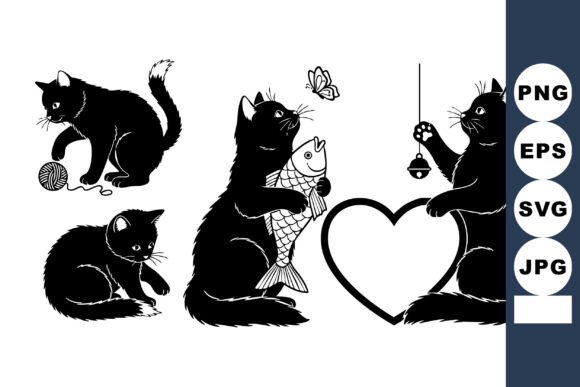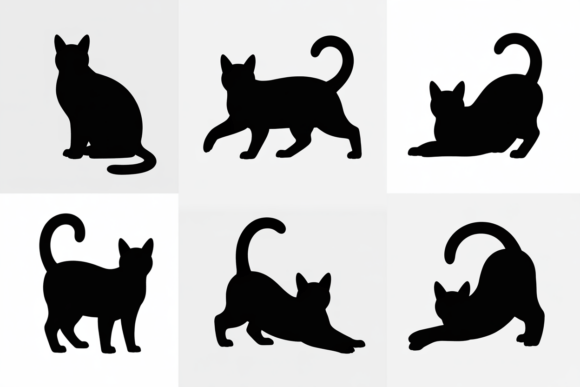
Black Cat Silhouettes Design
A Designer’s First Look: Clean, Confident, and Quietly Versatile
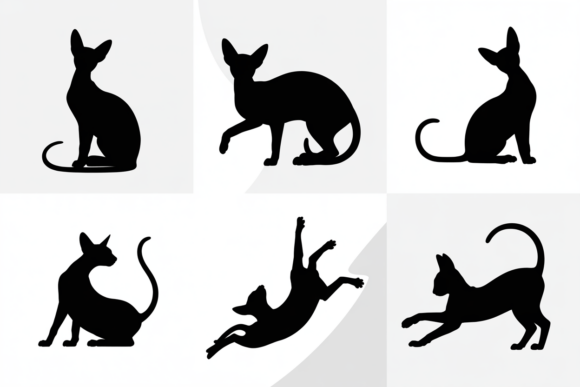
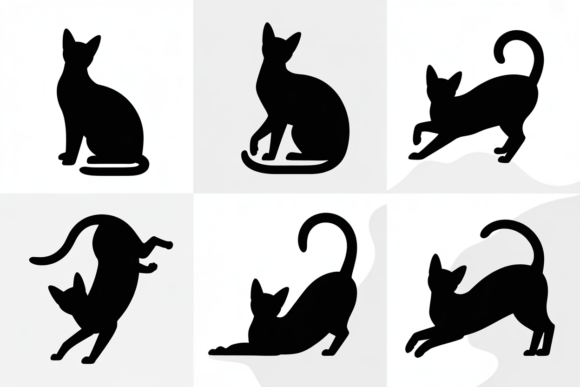
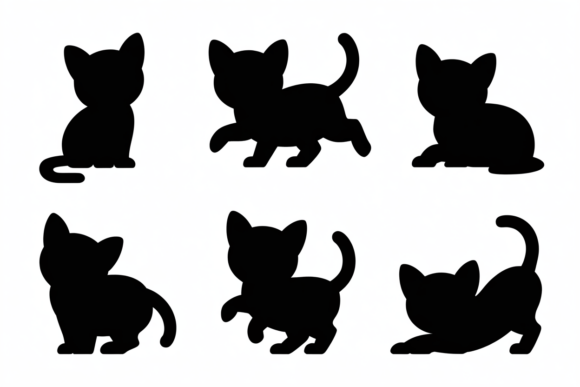
When I opened Black Cat Silhouettes Design, my first thought wasn’t “cute” or “spooky”—it was “this will stitch cleanly.” The outlines are smooth, the negative space intentional, and the posture of each cat—whether seated, curled, or mid-stride—feels balanced and grounded. There’s no excessive interior detail, no fragile limbs or tiny whiskers begging to vanish in thread. That’s a huge win for embroidery. As someone who’s stitched hundreds of custom pieces for Etsy sellers and boutique clients, I immediately pictured this on a heavyweight cotton tote bag: crisp, legible from three feet away, and unmistakably handmade—not digitized.
Where It Shines: Real Projects, Real Customers
I tested Black Cat Silhouettes Design as part of a small-batch holiday collection—embroidered tea towels for a local kitchen shop. We used medium-weight linen-cotton blend fabric with tear-away stabilizer and matte black 40-weight rayon thread. The result? Sharp edges, zero skipped stitches, and that quiet sophistication customers associate with thoughtful handmade goods. It performed just as well on a relaxed-fit sweatshirt (cotton/poly blend) and a set of baby onesies—though on the onesies, I dropped the stitch density slightly and added lightweight cutaway stabilizer underneath to prevent puckering.
This design naturally fits custom apparel, embroidered patch production, and tote bag design—but it also elevates quieter items: a minimalist pillow cover for nursery decor, a subtle cap front for a cat-themed boutique, or even a single-silhouette motif on a kitchen towel hem. Its strength lies in restraint: it doesn’t shout, so it doesn’t compete. That makes it ideal for personalized gift work where the recipient’s name or date is stitched beside it—or for small shop product branding where consistency matters more than flash.
Where to Pause—and Why
Not every surface is forgiving. On thin, stretchy jersey (like some baby bodysuits), I recommend testing Black Cat Silhouettes Design with basting stitches first. The clean lines can distort if the fabric shifts—even slightly—during hooping. Same goes for curved surfaces like caps: the silhouette’s base must sit flat across the front panel, or the curve will subtly warp the cat’s posture. I’ve seen it happen before—what reads as “playful tilt” on screen becomes “slightly lopsided” in thread.
Also, avoid using it at under 2.5 inches wide on dark, napped fabrics like fleece or heavy terry cloth. Without fine interior detail or texture cues, the shape can blur at smaller scales or get lost in the pile. And while it’s built for clarity, don’t force it into tight corners—say, near a pocket seam or hem edge—without adjusting the placement. Embroidery needs breathing room, and Black Cat Silhouettes Design respects that only if you give it space.
What It Does for Your Craft Business—Beyond the Stitch
As an Etsy seller and occasional consultant for craft business owners, I watch what builds trust—not just traffic. This design reads as professional, not clip-art. That matters when customers scroll past dozens of “cat” listings. It signals intentionality: a curated aesthetic, not a quick upload. When paired with quality thread and stable fabric, it lifts the perceived value of your finished product—especially for personalized gift buyers who care about longevity and presentation.
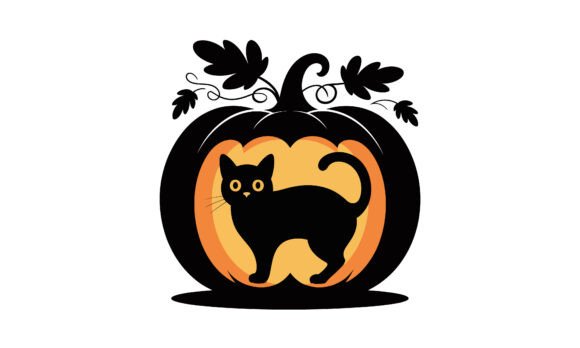
It also plays well with brand consistency. Whether you’re stitching for a Halloween pop-up, a year-round pet-themed line, or a modern nursery collection, Black Cat Silhouettes Design adapts without needing rework. No extra filters, no layering tricks—just one clean digital embroidery file that holds its own across contexts. That saves time, reduces revision requests, and keeps your workflow lean.
Practical Notes Every Embroiderer Should Check
- Always test on scrap fabric first—especially if pairing with new thread colors or stabilizers.
- Review stitch density before scaling. A larger version may need slightly reduced fill density to avoid stiffness on soft fabrics.
- Confirm hoop size compatibility. While the design is scalable, very large versions may exceed standard 5x7" hoops—check your machine limits.
- Inspect small details at actual stitch-out size. Even clean silhouettes can develop tiny gaps or overlaps when resized.
- Test in black-and-white mockups to assess contrast against light and dark backgrounds—thread color choice changes everything.
- Use proper stabilizer: tear-away for stable wovens, cutaway for knits or delicate fabrics.
- Verify licensing before selling finished items or bundling as design assets. Since this is listed as a Graphics product for Crafts, confirm whether commercial use is included.
Final Thought: Less Is Legible
There’s a quiet confidence in Black Cat Silhouettes Design—not because it’s flashy, but because it’s resolved. It knows what it is: a strong, adaptable, stitch-ready motif that supports your vision instead of demanding attention. For embroidery projects where clarity, consistency, and craftsmanship matter most—whether you’re stitching for a client, building a small shop product line, or creating a handmade product that feels special—it earns its place in your library. Just remember: even the cleanest machine embroidery design needs thoughtful execution. Let the silhouette speak—but make sure your fabric, stabilizer, and thread are listening.